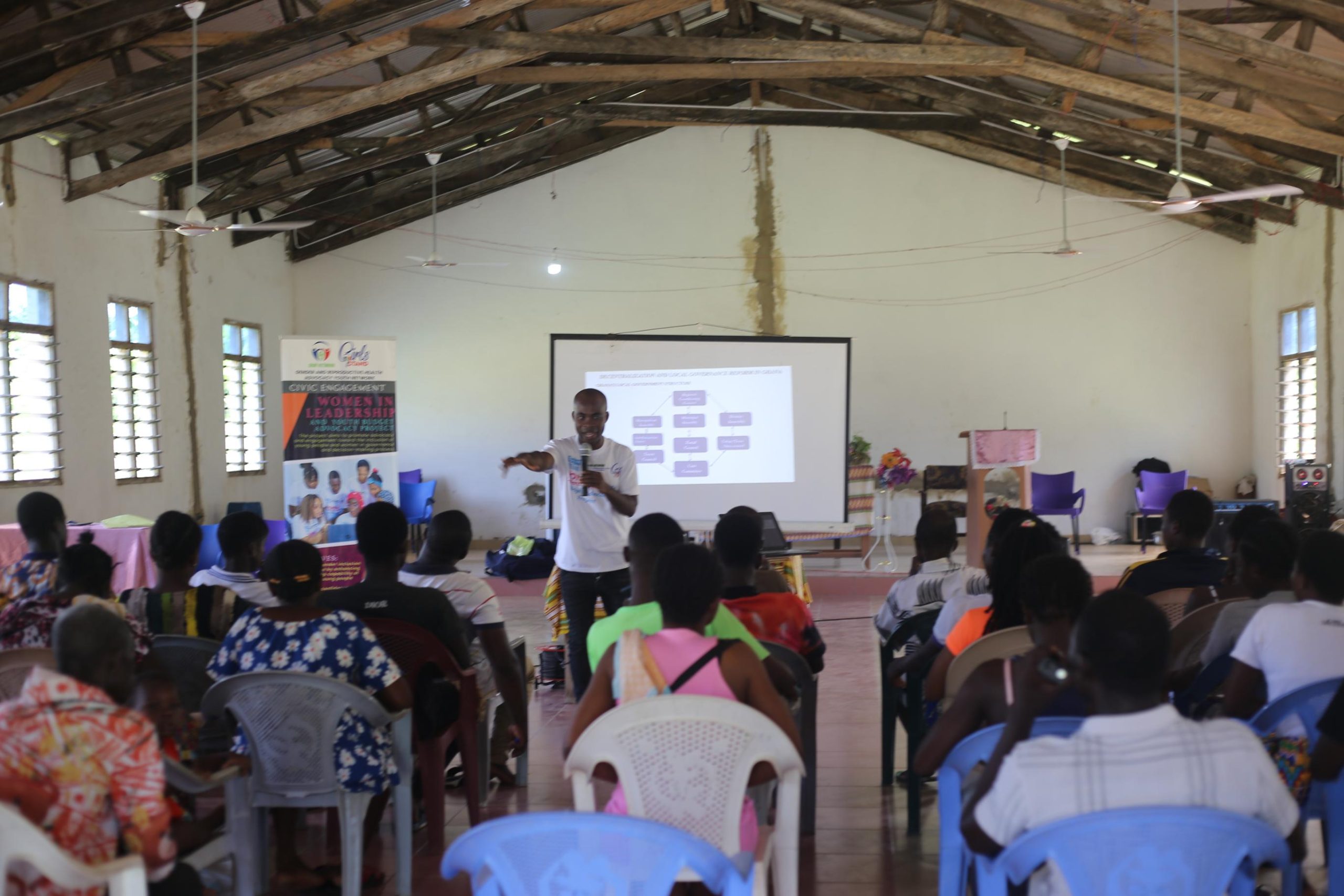
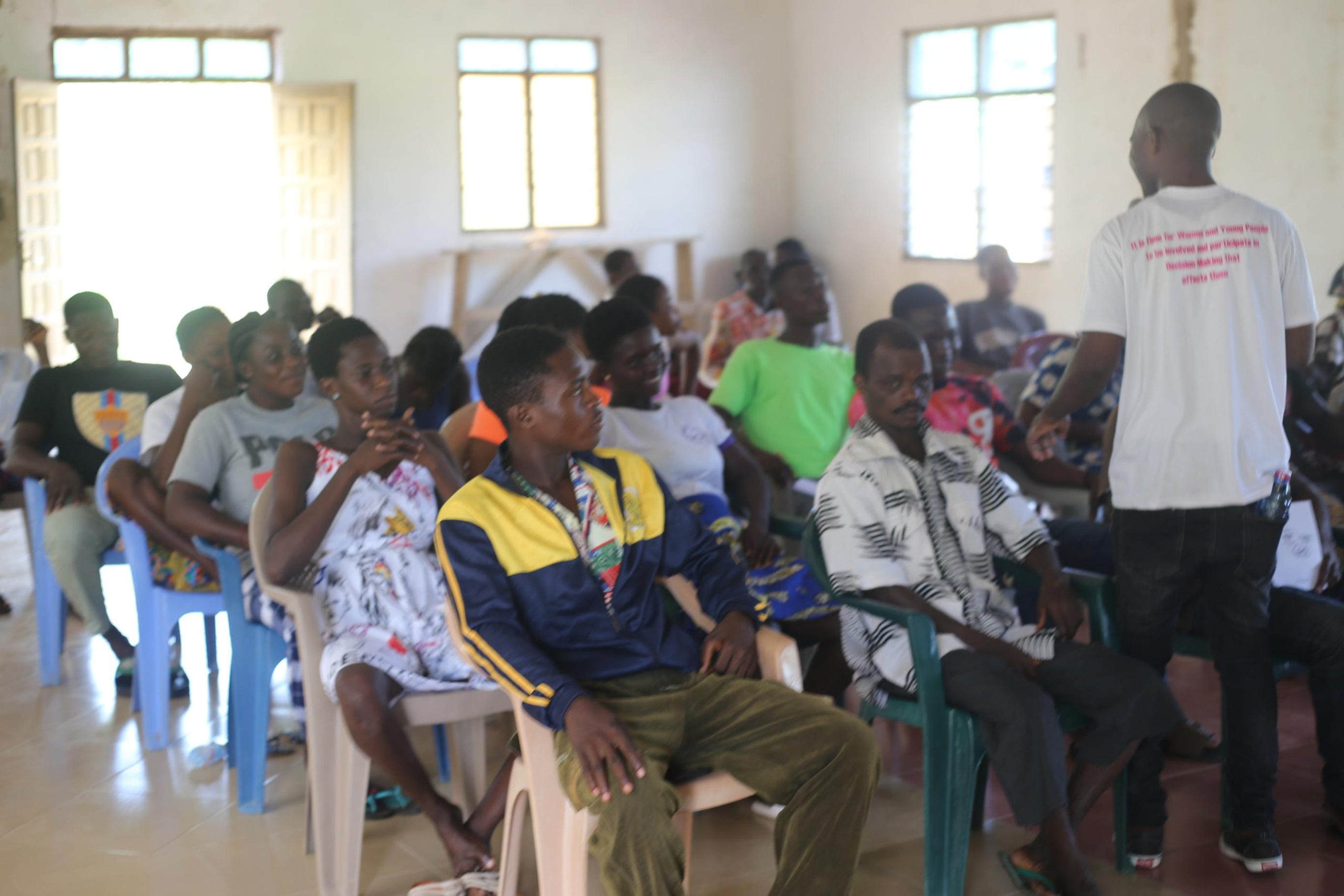
In Ghana, climate change threatens livelihoods, biodiversity, and community resilience. Yet, women and young people who make up nearly 70% of the population were largely excluded from climate-related decision-making at the district level. Many community members had little knowledge of the assembly system, budget processes, or accountability tools, leaving climate adaptation and biodiversity protection underfunded and poorly prioritized.

GRAY Network intervened in Afadzato South, Ho Municipality, and South Tongu, empowering women and young people to participate meaningfully in climate governance.

  • Trained participants to understand local assembly structures and climate-related budget allocations.
  • Introduced community scorecards as tools for tracking public spending and influencing policy.
  • Mobilized communities to advocate for increased public investment in climate adaptation and biodiversity protection.

A total of 765 community members were directly engaged:

Females (55% – 419 participants):

  • 147 adolescent girls
  • 218 young women
  • 54 adult women

Males (45% – 346 participants):

  • 96 adolescent boys
  • 211 young men
  • 39 adult men
  • 765 participants empowered to monitor climate budgets and demand accountability.
  • Increased awareness and understanding of district assembly and budget processes.
  • Community members now applying scorecards to influence climate and biodiversity-related policy formulation and implementation.

When women and young people are empowered to track and influence climate-related investments, policies become more inclusive, transparent, and responsive to community needs. Their active participation ensures resources are directed toward community-based adaptation measures and biodiversity protection, safeguarding both people and the environment. By breaking barriers to participation, the project lays the foundation for equitable climate governance and strengthens resilience for future generations.

We are on a mission to empower the youth and the world