

In Ghana, statistics from the Domestic Violence and Victim Support Unit (DOVVSU) recorded 17,655 domestic violence cases, including 1,296 defilements and 335 rapes, underscoring the continued vulnerability of girls and young women. Early sexual debut, teenage pregnancies, harmful cultural practices, poor access to reproductive health services, and weak accountability systems contribute to this crisis. To address these challenges, Plan International Ghana partnered with Gray Network to implement the Youth Empowered to Thrive Project in the Afadzato , Guan District in Volta Region and Oti Region. The initiative mobilized youth and young women to champion social accountability on sexual and reproductive health and rights (SRHR) and gender-based violence (GBV), ensuring that district assemblies commit resources to issues affecting children, youth, and women.
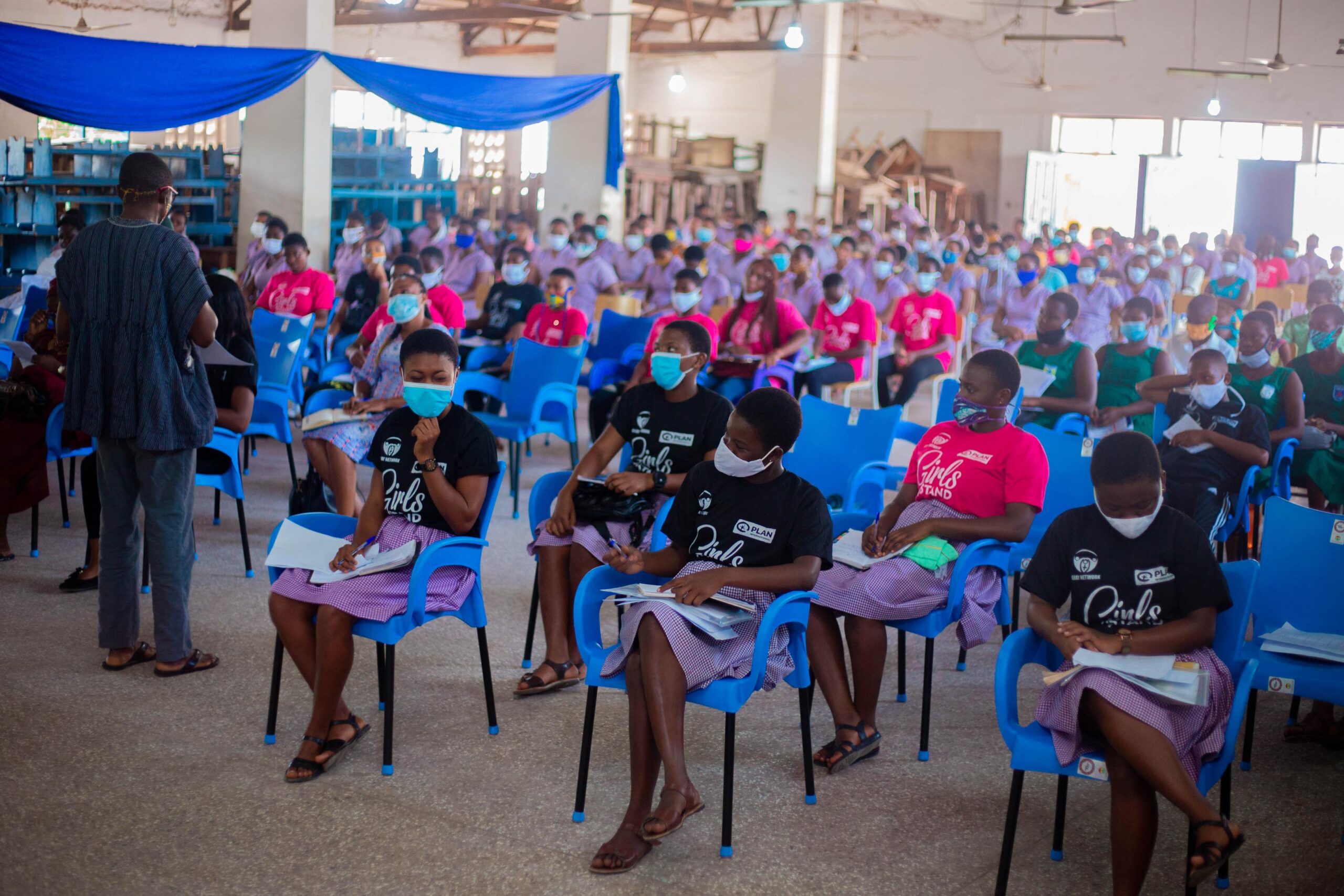
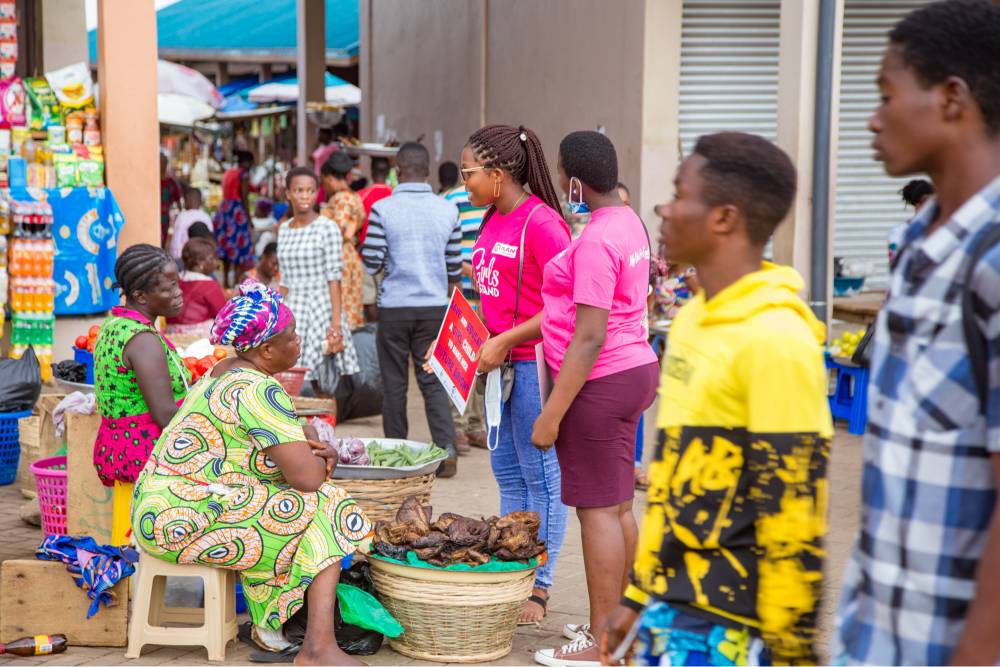
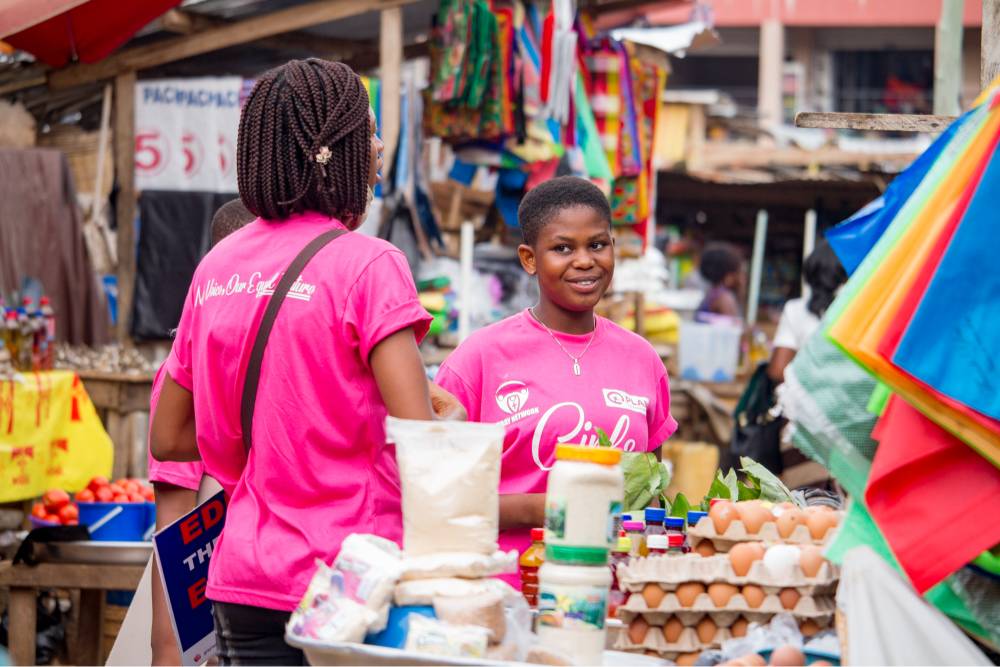
- Peer-to-Peer Learning: Trained project teams on SRHR, GBV, advocacy, report writing, communication, lobbying, and local governance.
- Youth & Women Capacity Building: Empowered 120 youth and young women through peer learning with knowledge of district budget processes, social accountability tools (Community Scorecards, Citizen Report Cards, Social Audits, PETS, Participatory Budgeting, Citizen Charters), and leadership skills to confidently demand accountability.
- Media Engagement: Radio discussions reached over 2,000 people, raising awareness on youth participation in budgeting and accountability for SRHR/GBV resources.
- Town Hall Meetings: Organized three town hall engagements where youth presented issues from their communities to duty-bearers including the District Assembly, Ghana Health Service, Ghana Education Service, NCCE, CHRAJ, and DOVVSU.
- Community Accountability Tools: Youth applied community scorecards to present evidence of service delivery gaps in health and education.
- Lack of safe abortion services and contraceptives
- Unfriendly and inadequate sexual and reproductive health services
- Shortage of trained health professionals and teachers on SRHR/GBV issues
- Dormant adolescent health clubs and weak school-based SRHR structures
- Poor supply of sanitary pads and other SRHR products for adolescents
- Health facilities with limited resources, delayed referrals, and lack of 24-hour operations
- Absence of mental health and screening services
- Exploitation and neglect of adolescents by some service providers
- 197 young people directly engaged across both districts (majority female).
- 120 youth and young women gained practical skills in advocacy, budget processes, and social accountability.
- Over 2,000 community members sensitized through media discussions.
- Increased youth confidence to demand better SRHR/GBV services:
- 87% reported improved knowledge of budget processes.
- 86% expressed confidence in demanding SRHR services.
- 84% felt capable of leading advocacy campaigns.
- Action plans developed with district duty-bearers to address identified service gaps.
“Now I know how to use community scorecards to hold leaders accountable. I feel confident to speak up for girls in my community.” – Elizabeth, Likpe Todome
“Before this project, I thought budgets were only for assembly members. Today, I understand that youth can influence budget allocations for SRHR and GBV.” – Godsway, Adorkor
“I now know how to engage with my duty bearers, since I’m now fully aware of their individual roles. I know who to address when an issue is identified.” – Esther, Ve Deme
The Youth Empowered to Thrive Project has strengthened youth-led accountability in the Volta Region, creating a foundation for sustained engagement between youth, women, and duty-bearers. By equipping adolescents and young women with the tools to demand transparency and better services, this project contributes to a safer, healthier, and more inclusive society.